What the Stairwell Knows: Reading Your Hotel's True Priorities in the Spaces Between Floors
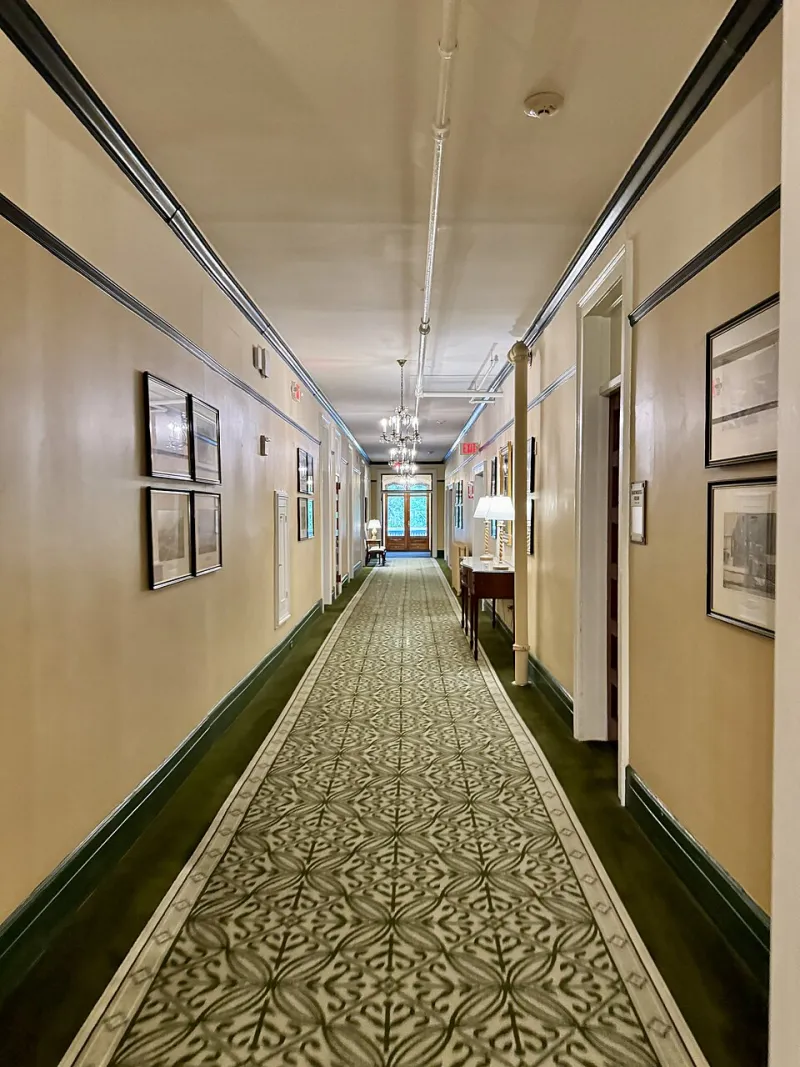
Photo: w_lemay, CC BY-SA 2.0, via Wikimedia Commons
Every hotel has two interiors. The first is the one that appears on the website: the polished lobby, the styled suite, the pool at golden hour. The second lives between the floors — in stairwells, service corridors, elevator landings, and the back passages where the actual work of hospitality happens.
The first interior is managed. The second is revealed. And for leaders willing to look, the second is a more accurate diagnostic of operational health than any dashboard or guest survey.
Why Transitional Spaces Don't Lie
The logic is simple: transitional spaces belong to no one. No department owns the third-floor elevator landing. No brand standard photo shoot ever featured the service corridor behind housekeeping. Because these zones have no obvious owner, they accumulate the truth about staffing ratios, inspection discipline, and management attention.
A lobby can be staged for a VIP in four hours. A stairwell cannot be faked — it reflects whatever standard the operation actually enforces when nobody is watching.
The Elevator Landing: Your Daily Compliance Report
Ride any elevator bank in an American hotel and read the landing like a report card:
- Carpet wear and staining at the door threshold indicates how long maintenance issues persist before resolution.
- The condition of the fire exit signage and door hardware — functional, clean, unobstructed — is a direct proxy for life-safety discipline, which correlates strongly with broader maintenance culture.
- Furniture, luggage carts, and vacuum cleaners parked in corridors reveal whether storage capacity matches actual inventory. This is a staffing and asset-planning signal hiding in plain sight.
The Stairwell: Where Culture Lives
The stairwell is the most honest room in the building. Walk one top to bottom and notice three things.
First, the trash. Not whether it exists — in any high-traffic building it will — but how old it is. Fresh debris is an operations tempo issue. Layered debris is an accountability issue.
Second, the lighting. Burned-out stairwell lamps that persist for weeks indicate a reporting culture where employees see problems but have stopped believing anyone will fix them. That belief, once formed, does not stay confined to the stairwell.
Third, the doors. Propped-open fire doors are among the most common and most telling violations in U.S. hotels. They usually exist for a reason — a broken closer, an inconvenient layout, a housekeeping route nobody redesigned. Each propped door is an unmade operational decision.
Service Corridors: The Labor Math Made Visible
The back of house is where staffing ratios become physical. A service corridor crowded with linen carts means the carts have no home, which usually means housekeeping par levels and storage were never reconciled. A broken ice machine sitting unrepaired in a back hallway for a month tells you how deferred maintenance decisions actually get made — and unmade.
Contrast this with a well-run property: carts staged in designated bays, walls with scuff guards that get repainted on schedule, a posted maintenance log with recent entries. The difference is rarely budget. It is whether someone senior walks these spaces regularly enough that standards remain real.
The Fix: Make the Invisible Owned
The remedy is structural, not cosmetic:
- Assign ownership. Every vertical zone — each stairwell, each elevator bank, each corridor segment — gets a named owner, rotated quarterly so familiarity never breeds blindness.
- Walk it monthly, unannounced. Add a vertical-space audit to the existing quality walkthrough. Fifteen minutes per floor cluster.
- Fix the cause, not the symptom. A propped fire door is a design problem. A perpetually full corridor is a storage problem. Treat the system, or the symptom returns by Friday.
- Track it. Add transitional-space condition to your existing inspection scoring so the data trends alongside guest-facing metrics.
The Story Your Building Tells
Guests rarely articulate why one hotel feels better managed than another. But they feel it — in the hallway that smells faintly of attention, in the elevator that arrives clean, in the stairwell door that closes with a confident thud.
Your lobby makes a promise. The spaces between your floors determine whether anyone believes it.